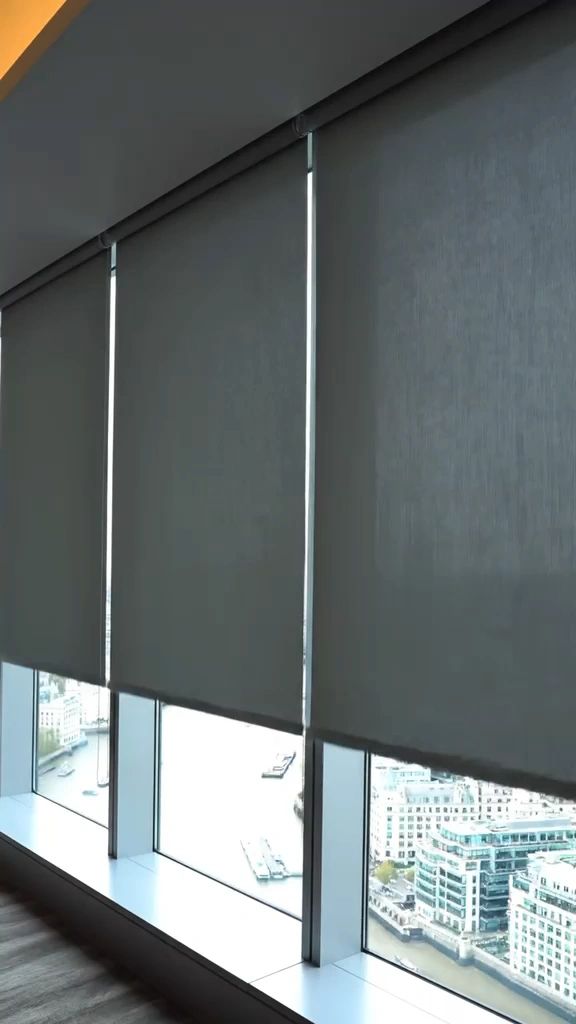
Why London Homes and Businesses Are Going Smart with Motorised Blinds
London’s skyline is evolving, and so are the spaces within it. From sleek central apartments to modern office suites, motorised blinds are quickly becoming a hallmark of contemporary living and working environments. No longer just a luxury add-on, automated shading solutions are now seen as essential for comfort, energy efficiency, and day-to-day convenience across the capital.
With busy lifestyles and unpredictable British weather, more property owners are turning to smart window treatments that offer precision control at the touch of a button—or even via voice command. Whether it’s balancing natural light in a West End flat or managing glare in a Shoreditch co-working space, motorised blinds deliver practical benefits that go beyond aesthetics.
In this guide, you’ll discover:
- How motorised blinds enhance light and temperature control
- Key factors influencing installation costs across London
- Trusted motor and fabric options suited for homes and commercial builds
- What to expect during the fitting process in historic vs. modern properties
Stay tuned as we break down everything you need to make smarter, data-driven decisions about upgrading your windows—from Kensington to Canary Wharf and everywhere in between.
Understanding Motorised Blind Pricing in the UK: What Influences the Cost?
Investing in motorised blinds in London means balancing quality, convenience, and budget. Prices can vary significantly, typically ranging from £150 to £600+ per window, depending on several key factors. Understanding these variables helps homeowners and property managers make informed decisions that align with both aesthetic goals and functional needs.
- Blind type and material – Whether you choose sleek roller, elegant venetian, or energy-efficient honeycomb blinds impacts cost. Premium fabrics or blackout materials generally increase the price.
- Size and complexity – Larger windows or unusual shapes require more materials and custom fitting, raising the overall cost. Skylight or conservatory installations often demand specialised motor systems.
- Motor type and control options – Battery-powered motors are cost-effective and easy to install, while hardwired systems may have higher labour costs. Smart integration with voice assistants or home automation platforms adds to the investment.
- Professional installation – While DIY kits exist, expert fitting ensures safety, proper calibration, and long-term reliability, particularly in London’s older properties with unique architectural features.
Choosing the right motorised blinds involves more than upfront cost—consider durability, energy efficiency, and ease of use to maximise long-term value across your space.
Top 5 Motorised Blind Brands Leading in Reliability & Smart Integration
When upgrading to motorised blinds in London, choosing the right brand can make all the difference in performance, longevity, and seamless daily use. With a growing demand for smart home integration and energy-efficient window solutions, certain manufacturers stand out for their robust engineering and advanced technology.
- Premium Smart-Control Systems
These blinds come equipped with app-based controls, voice assistant compatibility (like Alexa and Google Home), and programmable schedules—perfect for London homeowners seeking automation that adapts to their lifestyle. Look for ones with strong wireless protocols (like Zigbee or Z-Wave) for reliable signal performance across large or signal-dense urban properties.
- Heavy-Duty Commercial-Grade Units
Built for frequent use in offices and retail spaces across Central London, these blinds feature reinforced motors and durable fabrics that withstand thousands of cycles. Ideal for south-facing windows where automated sun shading helps reduce cooling costs.
- Solar-Powered Roller Blinds
A forward-thinking choice for eco-conscious users, these use integrated solar cells to charge their motors—no wiring needed. They’re especially effective in sun-exposed flats in zones like Chelsea or Canary Wharf.
- Silent-Drive Motor Technology
Perfect for bedrooms and home theatres in quiet residential pockets like Hampstead or Richmond, these operate with near-silent precision, using brushless motors for smooth, disturbance-free movement.
- Battery-Operated Rechargeable Blinds
Offering flexible installation—no need for nearby power outlets—these are a go-to for listed buildings or rental properties where wiring modifications are restricted. With several weeks of runtime, they combine convenience with sleek, clutter-free design.
Mastering Motorised Blind Installation in London Homes
Installing motorised blinds in London properties combines smart technology with precise execution. Follow this step-by-step guide to ensure a seamless, professional-quality setup tailored to UK window standards.
- Measure Accurately
Take exact width and height measurements of the window recess or face, depending on your chosen fit. For recess installations, measure at three points to account for any inconsistencies—common in older London buildings. Always double-check before ordering.
- Choose the Right Power Option
Decide between hardwired, battery-powered, or solar-operated motors. Battery systems offer greater flexibility, especially in listed buildings or rental properties where electrical modifications are restricted.
- Mount the Brackets Securely
Use appropriate wall anchors and screws for your wall type—plaster, brick, or stud. Ensure brackets are level using a spirit level. Misalignment can lead to operational issues and premature wear.
- Attach the Blind and Motor
Slide the blind into the brackets and engage the drive mechanism. Test the movement manually before powering on.
- Sync with Your Control System
Pair the blind with your remote, app, or smart home ecosystem (e.g., voice assistants). Assign unique names for easy control, especially in multi-blind setups across different rooms.
Pro Tip: In London’s diverse housing stock—from Victorian terraces to modern flats—working with a technician familiar with local architecture ensures optimal fit and function.
Smart Blinds Maintenance & Operation: Your FAQs Answered
Operating and maintaining smart blinds doesn’t have to be complex. With the right knowledge, London homeowners and property managers can keep their motorised window treatments running smoothly for years. Here’s a breakdown of the most common questions we hear.
How do I control my motorised blinds in London?
Most smart blinds can be operated via a mobile app, voice assistants like Alexa or Google Assistant, wall-mounted switches, or remote controls. The method depends on your system type—some allow scheduling for automatic opening and closing, ideal for managing sunlight and security throughout the day.
What maintenance do motorised blinds require?
Minimal, but regular care helps. Wipe down rails and slats monthly with a dry or slightly damp cloth. Check for obstructions along the track and ensure fabric isn’t snagging. In London’s variable climate, inspect seals around windows every few months to prevent moisture affecting motors.
Can I still use my blinds during a power outage?
Many motorised systems include battery backup or manual override options. Check your model—some let you temporarily operate them via USB power or detach the motor to adjust manually.
Why isn’t my blind responding to commands?
First, confirm Wi-Fi or Bluetooth connectivity. Restart your hub or app, then check if the blind’s motor has power. Signal interference from thick walls—common in older London properties—can affect performance; consider a signal repeater.
How often should motorised blinds be serviced?
A professional inspection every 18–24 months ensures motors, gears, and alignment remain optimal. This is especially valuable in commercial environments or high-usage homes.
Keep Your Motorised Blinds Running Smoothly: Maintenance Tips for London Homes
Motorised blinds offer sleek automation and convenience, but like any smart home system, they require proper care to maintain peak performance—especially in London’s variable climate. Regular maintenance not only extends lifespan but ensures smooth operation and prevents avoidable repairs.
Start with a monthly visual inspection. Check for dust buildup on tracks, fabric, and motors, as debris can impede movement and strain the system. Use a soft microfibre cloth and a mild cleaner to wipe down surfaces—avoid harsh chemicals that could degrade materials over time. For roller and venetian-style blinds, gently clean slats and ensure alignment hasn’t shifted due to vibrations or swelling from humidity.
Lubrication is key. Every six months, apply a dry lubricant to moving parts like guide rails and control wands to reduce friction and noise. Avoid oil-based products, which can attract dirt and cause clogging.
Ensure batteries in remote controls or standalone units are replaced annually, or sooner if responsiveness declines. For hardwired systems, verify electrical connections are secure and free from corrosion.
Finally, perform a full operational test quarterly: cycle blinds fully open and closed, checking for jerky motion, delayed responses, or misalignment. Address issues early—small adjustments today can prevent costly servicing tomorrow.
Making the Right Choice for Your London Home or Office
Motorised blinds offer a blend of modern convenience, energy efficiency, and aesthetic refinement—ideal for London’s diverse residential and commercial environments. From understanding the initial costs and long-term value to selecting trusted brands and ensuring professional installation, making an informed decision is key. The right system enhances light control, improves insulation, and adds a layer of security, all while operating seamlessly through smart home integration.
When planning your upgrade, consider factors like window size, room function, and automation features that suit your lifestyle. Whether you're in a high-rise flat in Central London or managing office spaces in Canary Wharf, choosing durable materials and reliable motorisation ensures lasting performance.
Take the next step by researching reputable installers with proven experience in automated shading systems. Look for providers who offer detailed consultations, transparent pricing, and aftercare support.
Investing in motorised blinds isn’t just about luxury—it’s about creating smarter, more responsive interiors. Evaluate your needs, compare options, and prioritise quality installation to fully enjoy the benefits of a modern, automated space. Your ideal indoor environment starts with thoughtful planning.
Modern homes in London are increasingly embracing motorised blinds for enhanced convenience, energy efficiency, and aesthetic refinement—particularly in hard-to-reach areas like skylights and roof windows. As automation becomes a standard feature in smart homes, understanding the average cost of motorised blinds in London is essential for making informed, budget-conscious decisions.
Motorisation transforms traditional window coverings into intelligent systems that can be controlled via remote, smartphone app, or integrated into wider home automation platforms. In a city where property values and living standards are high, investing wisely in motorised solutions ensures both comfort and long-term value. Prices vary significantly based on materials, window size, motor type, and whether the installation is for new builds or retrofitting existing windows.
This guide will help you navigate key cost factors, identify typical price ranges across London properties, and understand the return on investment these systems offer. You’ll also learn practical tips for choosing the right motorised blind solution without overspending—whether you're upgrading a single room or equipping an entire home.
Understanding Price Factors for Motorised Blinds Across London
When considering motorised blinds in London, prices vary significantly based on type, size, mechanism, and material. Knowing the typical cost ranges helps homeowners plan effectively while achieving the desired blend of convenience, energy efficiency, and style.
Smaller motorised roller blinds for standard-sized windows typically start around £300–£600 per unit, ideal for living rooms or bedrooms in flats across zones 1–2. For larger installations—such as floor-to-ceiling windows or wide patio doors—prices can rise to £400–£1500 due to heavier fabric loads and more powerful motors.
Venetian and pleated blinds with smart motorisation fall between £350–£900, offering enhanced light diffusion and thermal regulation, especially beneficial in older London properties with uneven insulation.
Standard Skylight and roof window solutions, often used in loft conversions common across the city, range from £450–£800 per unit, with solar mechanisms and remote or app-based controls.
Additional cost influences include:
Smart home integration (e.g., Alexa or HomeKit compatibility)
Battery vs. hardwired systems
Custom programming for timed operation or sunlight tracking
For accurate budgeting, always request per-window quotes and consider long-term energy savings from improved solar control.
How to Estimate Your Motorised Blind Costs in London
Understanding what drives the average cost of motorised blinds in London starts with evaluating four key factors: size, fabric type, power options, and professional fitting. Follow these steps to assess your project accurately.
Measure Window Dimensions Precisely
Start by measuring the exact width and height of your windows. Larger windows require more material and stronger motor systems, directly increasing costs. For bay or skylight windows—common in London homes—custom sizing is often necessary. Tip: Always double-check measurements to avoid costly adjustments later.
Select the Right Fabric for Your Needs
Choose from light-filtering, blackout, or thermal-insulated fabrics. Premium materials like UV-resistant or sound-dampening textiles enhance comfort but come at a higher price. Best practice: Match the fabric to your room’s purpose—blackout for bedrooms, light-filtering for living areas.
Decide on Power and Control Options
Battery-powered systems offer easier installation, while hardwired motors provide continuous power. Consider integrating smart controls (e.g., app or voice operation), which add convenience and value—especially for multi-blind setups.
Account for Professional Installation
Most London properties benefit from expert fitting due to window variations and system calibration needs. Professional installation ensures safety, optimal function, and often includes programming remotes or apps. Remember: DIY may save short-term costs but could lead to operational issues.
6 Smart Ways to Compare Motorised Blind Quotes Like a Pro in London
When shopping for motorised blinds across London, comparing quotes accurately can save you both money and stress. With varying price points, materials, and automation features, it's crucial to assess each quote with a clear, informed perspective. Here’s how to break down offers confidently and make a smart, value-driven decision.
Verify In-Home Measurements Are Included
Many suppliers offer free estimates but charge for detailed in-home assessments. Ensure your quote covers an on-site visit by a technician, especially for bay windows, skylights, or sash windows common in London homes. This prevents fitting errors and unexpected fees later.
Compare Like-for-Like Features
Check the motor type (quiet DC vs. standard), control options (remote, app, voice), and battery backup capability. One quote may seem cheaper but lack smart home integration or energy-efficient materials offered elsewhere.
Scrutinise the Warranty and Aftercare
Look for minimum 3–5 year warranty coverage on motors and mechanisms. Reliable London providers often include remote troubleshooting and maintenance support—don’t sacrifice long-term reliability for a lower upfront cost.
Assess Installation Expertise and Timing
London’s diverse housing stock—from Victorian terraces to modern flats—requires experienced installers. Check whether the quote includes specialist fitting and a clear project timeline.
Beware of Hidden Add-Ons
Some quotes exclude electrical modifications or multiple switch installations. Ask for a full breakdown of costs to avoid budget surprises.
Prioritise Reputable UK-Based Suppliers
Local suppliers with a London presence tend to offer better response times, compliance with UK safety standards (CE, UKCA), and accountability. Choose providers who specialise in motorised systems, not just general blind retailers.
Your Most Pressing Motorised Blind Questions Answered
How much do motorised blinds typically cost in London?
The average cost of motorised blinds in London ranges from £300 to £900 per window, depending on size, fabric, system type, and customization. Smaller windows with basic roller mechanisms start at the lower end, while larger skylights or custom-fit blinds for roof windows may reach the higher end. Battery-powered systems are generally more budget-friendly, while hardwired setups with smart integrations add to the investment.
What factors influence installation pricing?
Installation costs are affected by window type, accessibility (especially for roof windows), and whether wiring or retrofitting is needed. Complex installations, such as those requiring structural adjustments or integration with home automation, naturally cost more than standard fits.
Are motorised blinds difficult to maintain?
Not at all. Routine care involves dusting the fabric and cleaning the rails occasionally. Most systems are designed for longevity with minimal upkeep. Avoid using harsh chemicals—stick to a soft cloth and mild cleaner.
Can I install motorised blinds myself?
While DIY kits exist, professional installation ensures optimal performance, especially in London homes with unique window dimensions or heritage architecture. A certified installer can guarantee precise calibration and proper motor alignment.
How long do motorised blind systems last?
With proper care, motorised blinds can last 10–15 years. The motor typically outlasts the fabric, and replacement components are often available.
Do motorised blinds work during power outages?
Yes—many systems feature battery backup or manual override options, allowing you to adjust them even without power.
Is it worth investing in motorised blinds for older properties?
Absolutely. Modern motorised blinds can be adapted to fit period homes and listed buildings with discreet, non-invasive fittings—preserving aesthetics while adding comfort and energy efficiency.
Average Cost of Motorised Blinds in London
What Homeowners Need to Know About Motorised Blind Pricing in London
Making the Right Choice for Your London Home
Understanding the average cost of motorised blinds in London empowers you to make informed upgrades that enhance both comfort and property value. As demonstrated, pricing varies significantly based on materials, automation features, window configuration—especially skylights and roof windows—and installation complexity. Energy efficiency, UV protection, and seamless light control aren’t just luxuries; they contribute to long-term savings and improved well-being.
When planning your investment, start by evaluating your specific needs: consider room usage, natural light exposure, and whether remote or voice-controlled operation adds value to your daily routine. Prioritise quality craftsmanship and reliable motor systems, as these determine longevity and performance. In a city like London, where architecture ranges from period homes to modern builds, custom-fit solutions ensure your blinds complement your space flawlessly.
To take the next step, measure your windows accurately and gather quotes from experienced providers who specialise in automated systems. Look for clear breakdowns of costs covering components, technology type (e.g., battery vs hardwired), and labour.
Transforming your